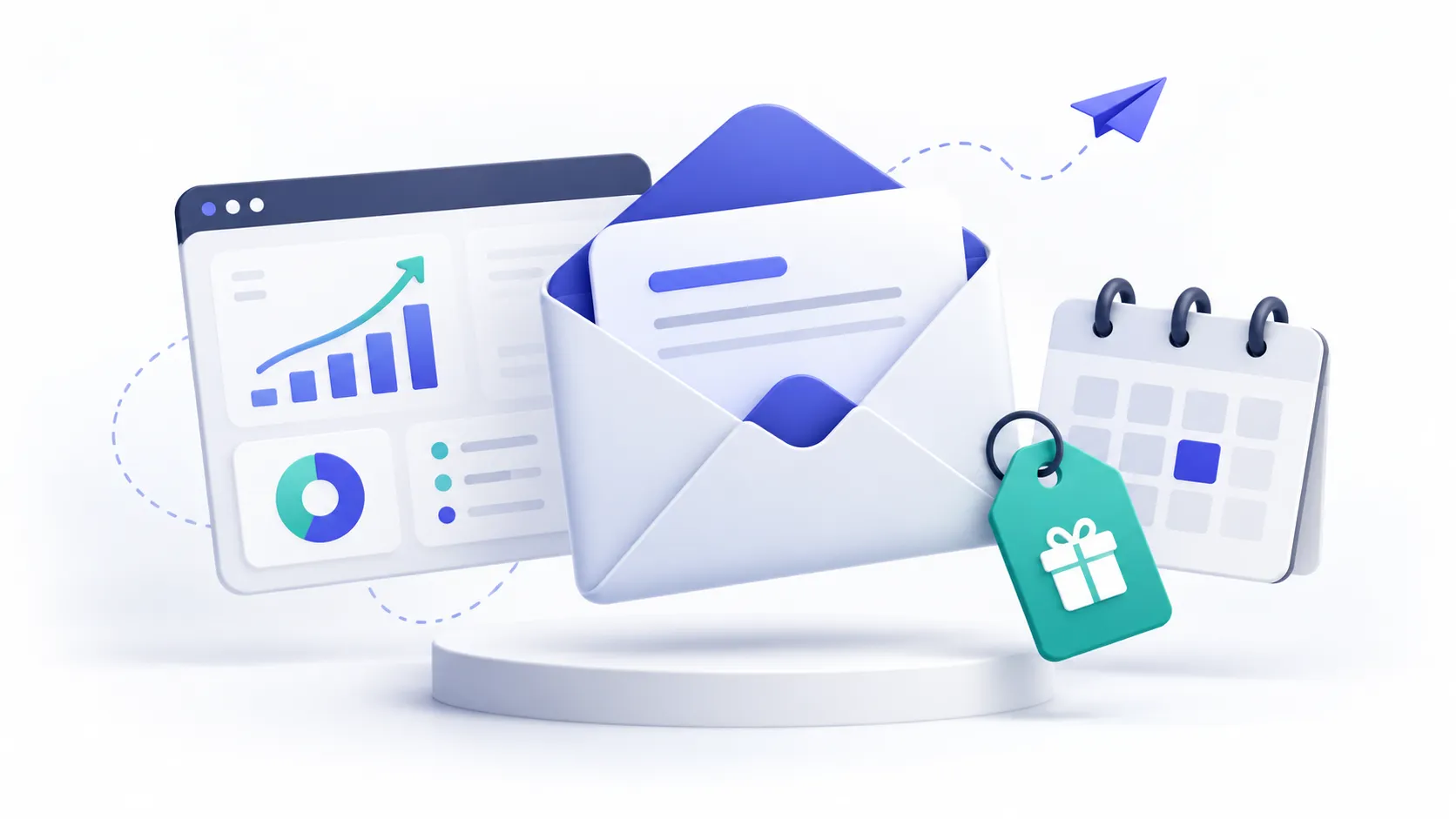
Black Friday is a big opportunity to turn your email list into revenue. But if your entire plan is to send one email saying “Our biggest sale is here,” add a countdown timer, and hope people buy, you’re leaving a lot of potential on the table.
Software companies have several ways to make a seasonal offer appealing: annual-plan discounts, lifetime deals, product bundles, premium upgrades, or bonuses that help customers get more from a tool they already use.
And unlike a business starting from scratch, you may already have subscribers who know your product and understand the problem it solves.
The challenge is knowing what to send, who should receive it, and when. Black Friday falls on November 27 in 2026, followed by Cyber Monday on November 30. Here are 12 practical strategies to build a campaign that feels useful to customers and makes commercial sense for your business.
Approach 1: Build the right offer for the right audience
Start with your audience, not the email template
It’s tempting to open your email marketing platform, pick a Black Friday template, and start writing. Before you do, look at the people on your list. A paying customer, a free user who has never upgraded, and someone who downloaded an ebook six months ago probably shouldn’t receive the same message.
Start with a few useful segments:
- Existing customers: Introduce a relevant upgrade, annual plan, complementary product, or bundle.
- Free users: Explain what they can accomplish with the paid version.
- Trial users: Focus on the feature or outcome that could help them decide whether to upgrade.
- Engaged subscribers: Consider early access or a first look at the offer.
- Inactive subscribers: Re-engage them carefully instead of suddenly sending a burst of promotional emails.
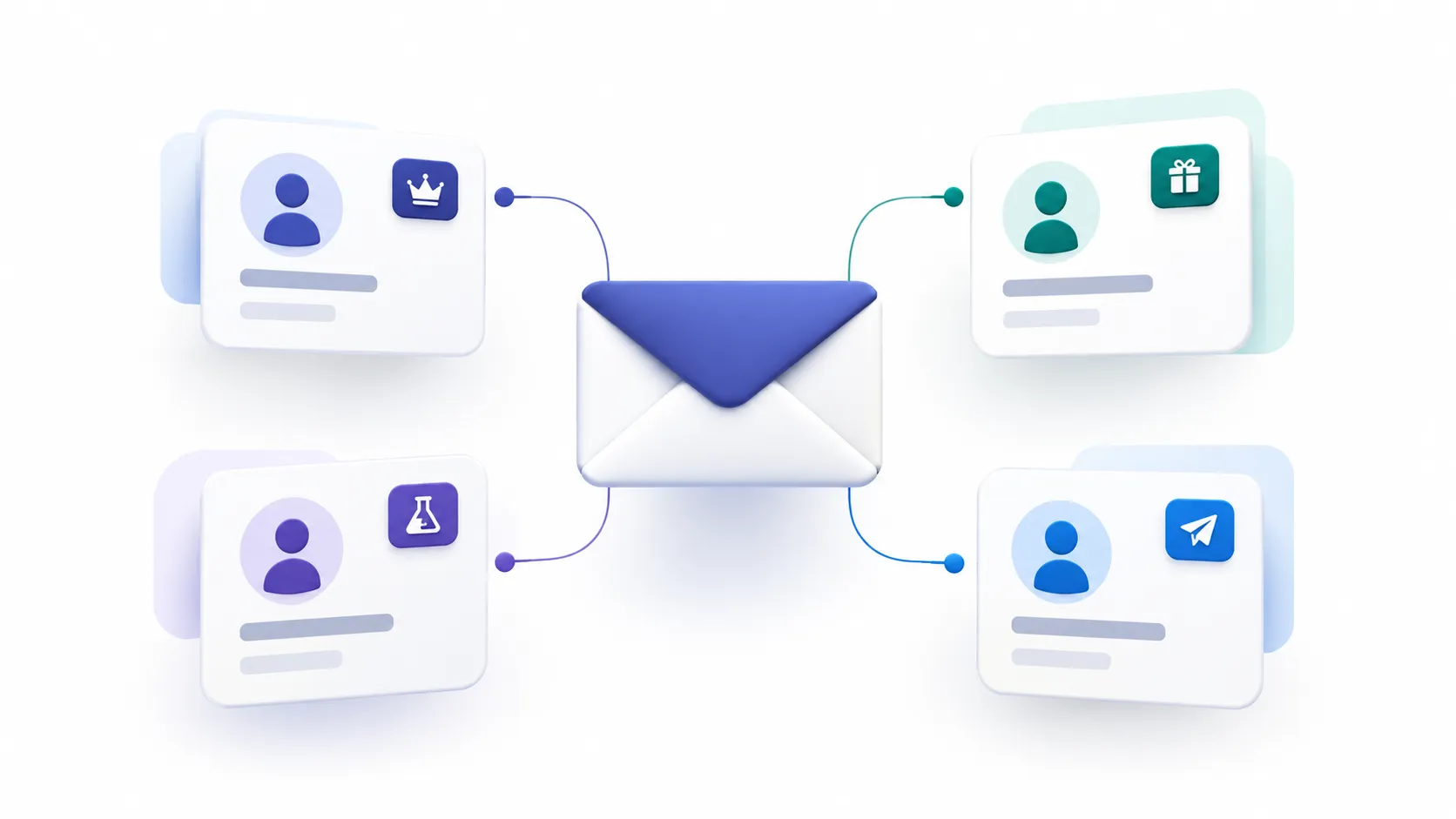
You don’t need 20 segments to get started. Four or five meaningful groups are usually more useful than a complicated system nobody has time to maintain. The point is to make the message relevant to the reader’s relationship with your product.
Sell the outcome, not just the discount
“Save 40% this Black Friday” tells people how much they can save. It doesn’t tell them why they should care about your product.
Software buyers are often trying to solve a specific problem. They want to save time, improve a workflow, increase revenue, reduce manual work, or get access to a feature they need. Connect your offer to that outcome.
| Generic message | Stronger approach |
|---|---|
| Save 40% on our software | Automate repetitive reporting and spend less time on manual work |
| Our biggest sale of the year | Get the advanced features you need at a lower annual cost |
| Upgrade today | Unlock the tools that help you manage more projects in one place |
The discount still matters. It just shouldn’t have to do all the selling.
Explain the problem, connect the product to the outcome, show the offer, and make the next step obvious. Keep every claim grounded in what the product actually does.
Make the savings easy to understand
Software pricing can get confusing quickly, especially when annual billing, introductory discounts, lifetime deals, and multiple plan tiers are involved. Don’t make readers calculate the value themselves.
If your annual plan normally costs $240 and the Black Friday price is $144, show the regular price, sale price, and total savings clearly.
Make the billing period equally obvious. Is the discounted price for the first year only? Does the subscription renew at the regular price? Is the offer available to new customers only?
For lifetime deals, explain what the one-time payment includes, which features are covered, and whether any limitations apply. For subscriptions, make renewal terms visible instead of burying them in fine print.
Give loyal customers early access
Early access can make an offer feel more valuable without requiring you to increase the discount. Give existing customers, paying members, or highly engaged subscribers access a day or two before the public launch.
Subject line idea: Your early access to our Black Friday deal
You’re already part of our community, so we wanted you to get first access to this year’s offer. The discount is available now, before we announce it to everyone else.
Keep the promise real. If the offer isn’t limited by inventory, don’t pretend only a handful of licenses remain. A genuine early-access window is enough. You could also include a useful bonus, such as a template pack, onboarding session, or complementary product.
Approach 2: Plan a campaign that moves people to act
Study real campaigns instead of copying their designs
Looking at other software companies’ campaigns can help you see how they explain value, present pricing, and guide readers toward an action. The goal isn’t to copy an email pixel for pixel. It’s to understand the decisions behind it.
Build a small swipe file of campaigns from companies in your category and adjacent markets. Review their Black Friday landing pages, newsletters, and archived promotions where available. For every example, ask three questions:
- What does the email want the reader to do?
- How quickly can someone understand the offer?
- What makes the offer relevant to that specific audience?
Pay attention to whether the company leads with a discount, a product benefit, a bundle, or a clear deadline. Also record the date and terms of the campaign. An old promotion can be useful inspiration, but it isn’t evidence that the same price or offer is available this year.
Build a sequence instead of relying on one big announcement
A single Black Friday email has to do everything at once: introduce the offer, explain the value, create urgency, and persuade the reader to click. A sequence lets each message do one job.
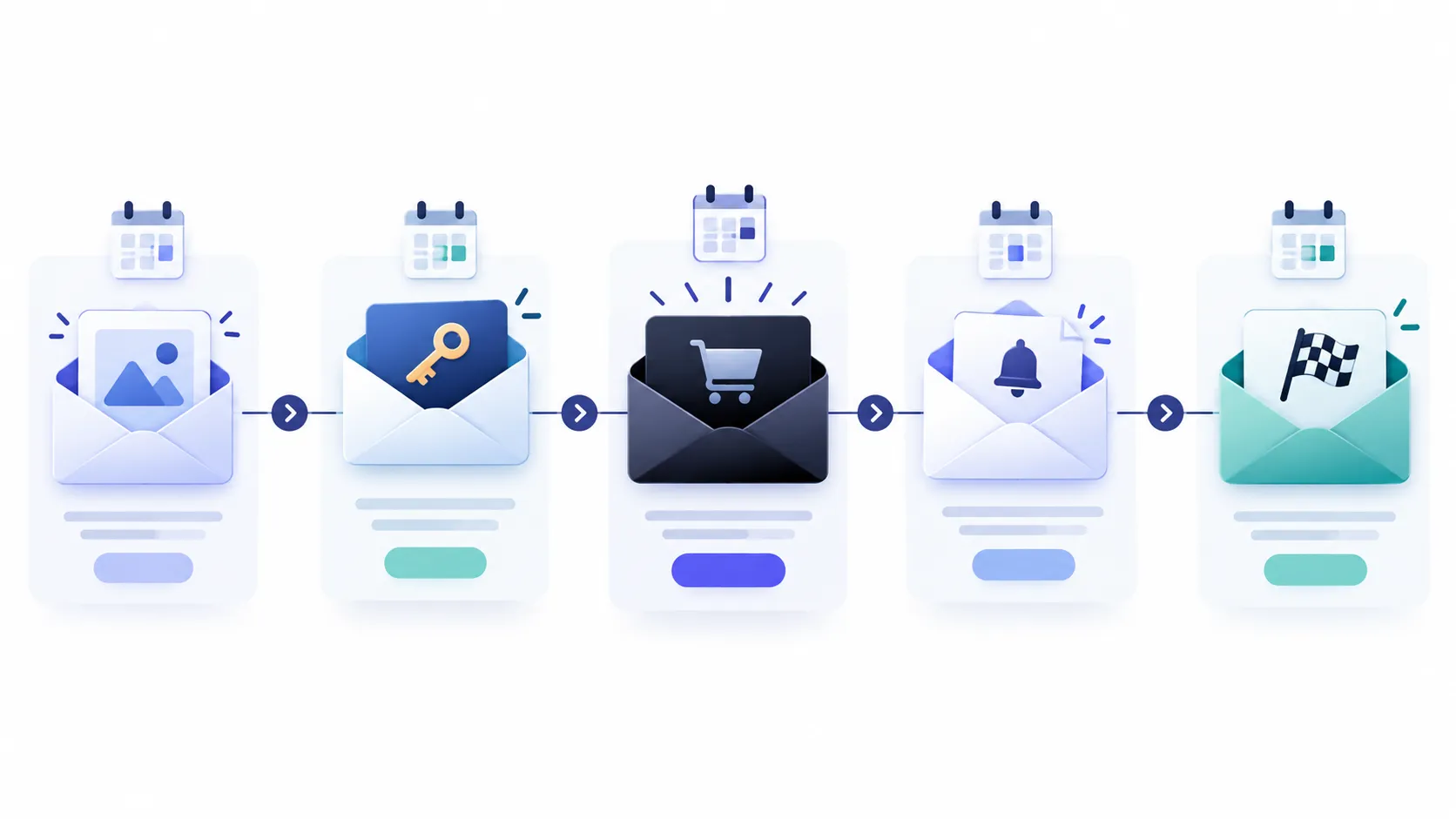
| Timing | Main purpose | |
|---|---|---|
| 2–3 weeks before | Teaser or save-the-date | Build awareness and interest |
| 5–7 days before | Offer preview or early access | Explain the value and reward engaged subscribers |
| Black Friday morning | Main launch | Announce the offer and drive purchases |
| Saturday or Sunday | Product-focused reminder | Answer a question or highlight a use case |
| Cyber Monday | Final campaign | Explain the genuine deadline or distinct final offer |
| After the sale | Customer follow-up | Help new customers get started |
This is a starting point, not a mandatory schedule.
A high-priced B2B product with a long buying cycle may need a more considered sequence than a low-cost plugin or digital download. Stop promotional messages that no longer make sense after someone buys, especially offers for the exact plan they just purchased.
Match the offer to your business model
Not every software company should run the same Black Friday discount. The right offer depends on your pricing model, customer acquisition costs, retention, and margins.
| Business model | Offer to consider | What to watch |
|---|---|---|
| Subscription SaaS | Discounted annual billing | Renewal rates and revenue after the first year |
| WordPress plugin | Annual-plan discount or product bundle | Support load and renewal profitability |
| Digital products | Bundle of related resources | Whether the bundle adds meaningful value |
| Multi-tier SaaS | Upgrade incentive | Whether customers move to the right plan |
| Lifetime deal business | One-time license or limited bundle | Long-term support and maintenance costs |
A large discount can bring in more customers, but more sales don’t automatically mean more profit. For recurring-revenue software, calculate what happens when the discounted subscription renews. For lifetime deals, consider the future cost of maintaining and supporting customers who have paid only once.
Sometimes a bundle or useful bonus makes more sense than cutting the price again. Aim for an offer that gives customers a compelling reason to buy while still making commercial sense for your business.
Use behavioral follow-ups to capture missed opportunities
Campaign emails create demand, but behavioral emails help you respond to what individual users actually do. Someone who visits your pricing page several times is showing a different level of interest from someone who reads a general newsletter.
- Pricing-page follow-up: Answer common questions about plans, billing, or feature limits.
- Trial-ending email: Remind users what they’ve accomplished and what they can unlock by upgrading.
- Checkout abandonment: Help people who started purchasing but didn’t complete the process.
- Post-purchase onboarding: Show new customers how to use the features they just paid for.
- Cross-sell follow-up: Recommend a complementary product when it genuinely fits the customer’s needs.
Keep these messages relevant and timely. Don’t send a generic “Still thinking about it?” email to everyone who visits your site. Use behavioral data in accordance with your privacy policy, applicable laws, and the expectations you’ve set with subscribers.
Approach 3: Make emails feel human and reach the inbox
Make the email feel like it came from a person
Black Friday inboxes fill up with polished banners, giant percentage-off headlines, and countdown timers. Those elements can work, but they can also make every company look the same.
A plain-text or lightly designed email can be a useful change of pace, particularly for B2B software, developer tools, and products with an established user community.
Hey, we’ve been working on a few improvements this year, and we’re opening up our Black Friday offer today. If you’ve been waiting to try the advanced plan, this might be a good time.
That approach won’t suit every brand, but it can feel more personal than a wall of promotional graphics. Use a real sender name, explain why the offer is relevant, and write in the same voice customers recognize from your product and support conversations.
A human tone doesn’t mean abandoning design. It means making the message feel like communication rather than an advertisement pasted into an inbox.
Protect deliverability before increasing send volume
A brilliant email is useless if it lands in spam. Black Friday is a particularly bad time to discover that your domain authentication is incomplete, your list is full of inactive addresses, or your sending platform is configured incorrectly.
According to Google’s email sender guidelines, senders delivering close to 5,000 or more messages per day to personal Gmail accounts are treated as bulk senders.
Requirements include SPF and DKIM authentication, DMARC, and one-click unsubscribe for relevant marketing messages. Google also advises keeping reported spam rates below 0.1% and avoiding rates of 0.3% or higher.
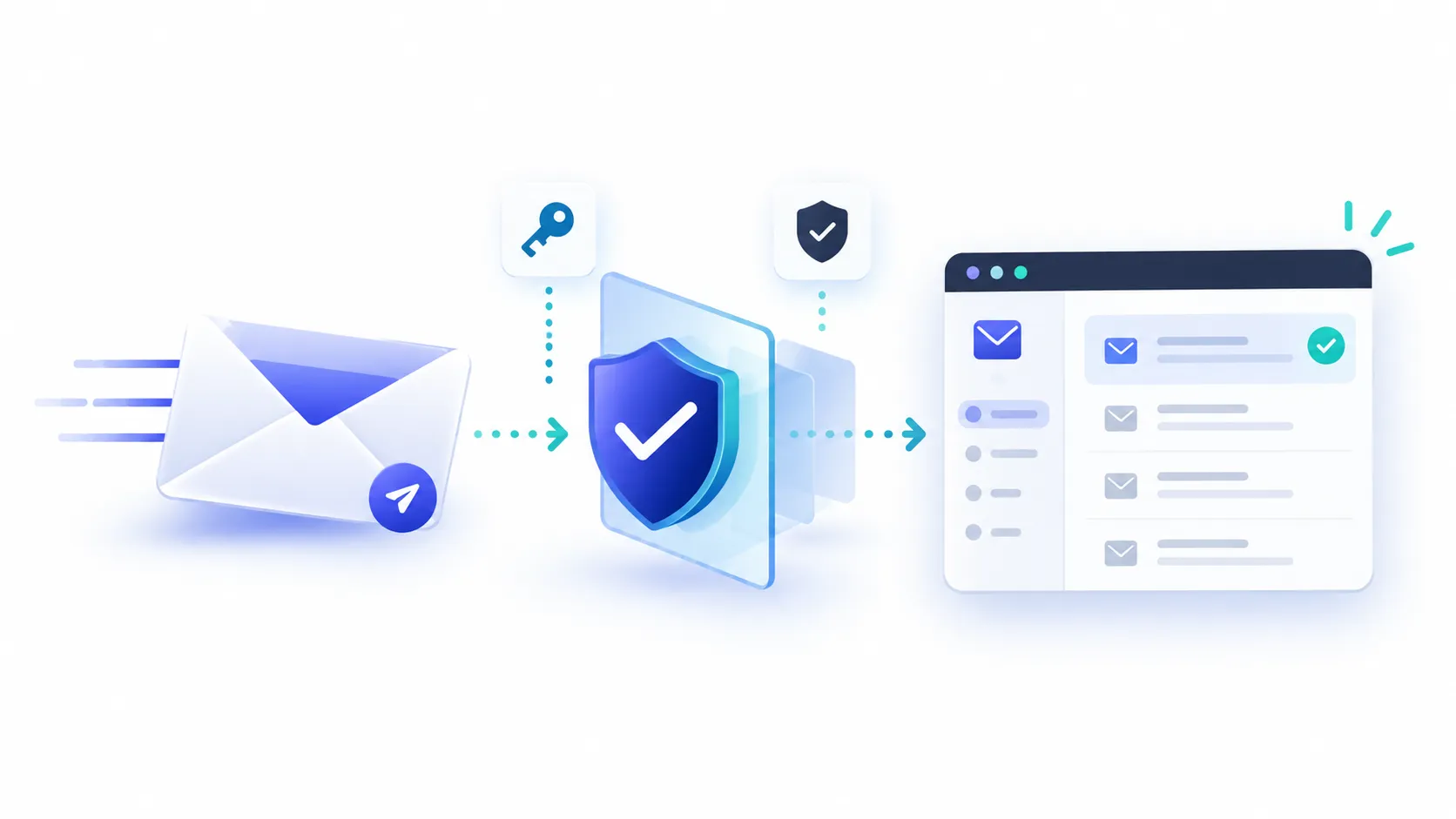
Even if your business sends far fewer emails, the underlying habits are worth following:
- Verify SPF, DKIM, and DMARC for your sending domain.
- Remove invalid addresses and review long-inactive subscribers.
- Make sure your unsubscribe process works.
- Send to engaged subscribers first if you need to increase volume.
- Monitor bounces, spam complaints, and inbox placement.
- Test links, tracking parameters, and the mobile version of every email.
Don’t suddenly send a massive campaign to an old list just because Black Friday is approaching.
If you haven’t emailed those subscribers in months, a sudden spike can damage your sender reputation. It’s much easier to prepare deliverability in advance than to repair it during your biggest promotion of the year.
Approach 4: Choose tools and measure what matters
Choose an email marketing tool that fits your needs
You don’t necessarily need the most expensive email platform to run a successful Black Friday campaign. You need one that supports your audience, your workflow, and the automation you actually plan to use.
| Tool | Best fit | What to evaluate |
|---|---|---|
| Brevo | Businesses combining email with other customer communication | Sending limits, automation, contact storage, and pricing |
| Mailchimp | Teams looking for a familiar campaign builder | Contact-based pricing, plan limits, segmentation, and automation |
| Kit | Creators, publishers, and newsletter-led businesses | Subscriber management, sequences, and monetization workflows |
| ActiveCampaign | Businesses with advanced customer journeys | Automation depth, CRM needs, integrations, and total cost |
Check each provider’s current pricing and plan limits before choosing. For a WordPress-based business, also check how well the platform integrates with your website, forms, checkout, and customer database. Purchase and subscription events should trigger the right messages without requiring manual exports every week.
Choose based on the workflow you need, not the length of the feature list. If you’re sending a few campaigns and a welcome sequence, a simpler tool may be enough. If you need behavior-based journeys, customer scoring, and detailed segmentation, more advanced automation may justify the cost.
Measure revenue and learn from the results
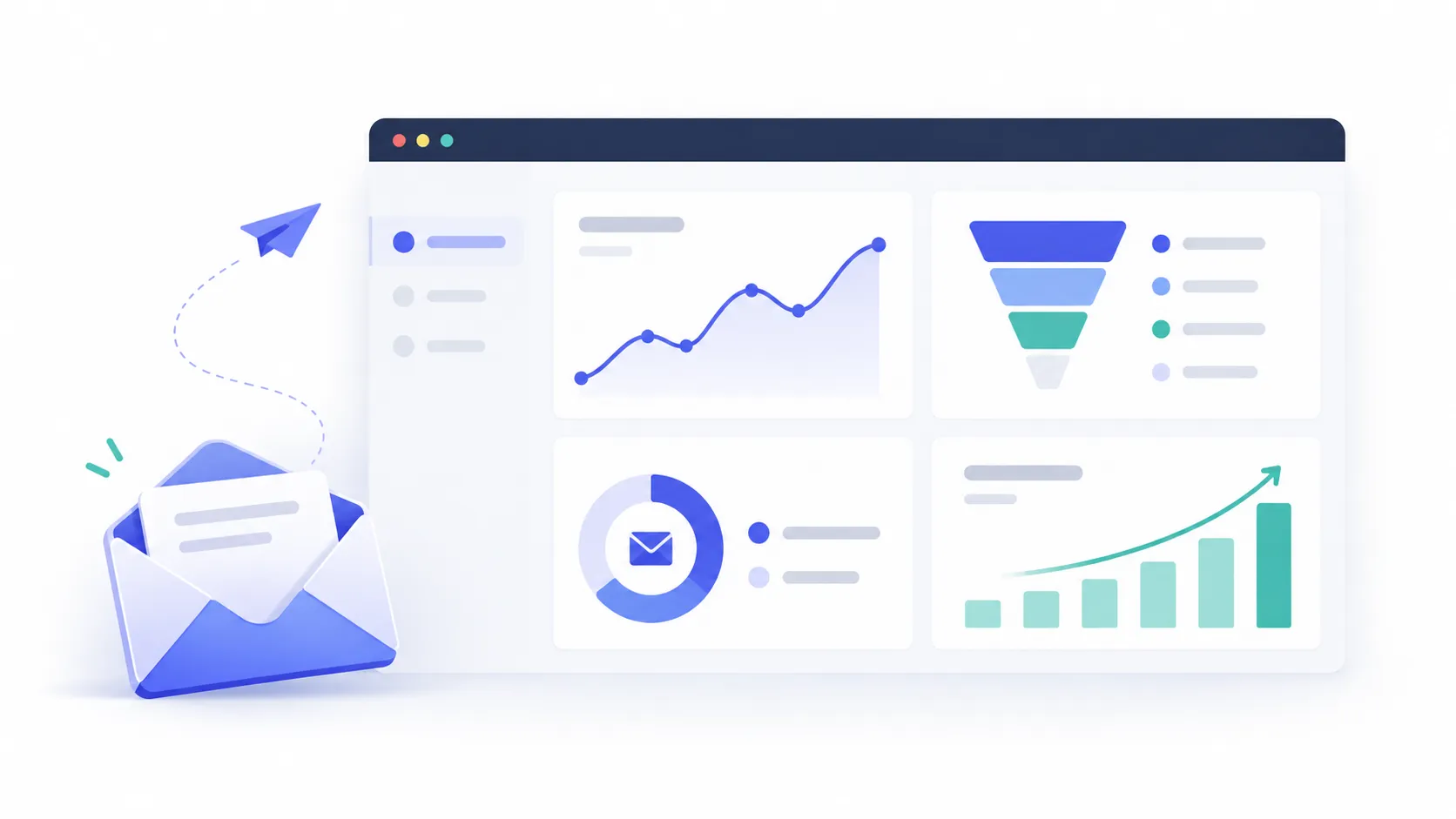
After Cyber Monday, don’t judge the campaign by open rate alone. Privacy features such as Apple Mail Privacy Protection can make open rates less reliable as a measure of human engagement. Clicks, purchases, revenue, unsubscribes, and the quality of the customers you acquire will tell you more about whether the campaign worked.
Track a handful of useful metrics:
- Click-through rate: Did people engage with the offer?
- Conversion rate: How many recipients completed the desired action?
- Revenue per recipient: Which campaigns generated the most revenue relative to their audience?
- Unsubscribe and complaint rates: Did your frequency or targeting frustrate subscribers?
- New-customer acquisition: Did the campaign bring in customers who weren’t already paying?
- Retention and renewal: Did those customers continue using the product after the promotion?
Use consistent UTM parameters so you can distinguish email traffic in analytics. For example, utm_campaign=bfcm_2026 can identify the overall campaign, while separate source and content values help you compare launch emails, reminders, and product-specific messages.
If you run an experiment, change one meaningful variable at a time when possible. Test a subject line, an offer presentation, or a call to action. Don’t change all three at once and then guess which one made the difference.
Finally, review performance after the initial sale and again when enough time has passed to evaluate renewals or retention. A campaign that produces a big revenue spike but attracts customers who never use the product may not be as successful as it first appears.
A practical Black Friday email plan for 2026
With Black Friday on November 27 and Cyber Monday on November 30, you still have time to organize a campaign that feels planned rather than rushed.
- Now through late October: Review last year’s performance, clean your list, define segments, choose the offer, and confirm your email platform can support the campaign.
- Early to mid-November: Prepare the sequence, landing pages, tracking, and automation. Test purchase events and suppression rules.
- The week before Black Friday: Send a teaser or early-access message to the appropriate audience. Check mobile rendering and every link.
- November 27–30: Launch the campaign, monitor performance, and send relevant follow-ups. Suppress purchasers from offers they’ve already claimed.
- After Cyber Monday: Review results, onboard new customers, and compare campaign revenue with longer-term retention and renewal performance.
Summing up
The strongest Black Friday email campaigns aren’t necessarily the ones with the biggest discounts or the most emails. They’re the ones that give the right people a compelling reason to act, make the offer easy to understand, and deliver the message reliably.
Start with your audience. Build an offer that makes sense for your business model. Use a sequence instead of relying on one announcement, and let customer behavior guide your follow-ups.
Then measure what happened beyond the first purchase. That’s how Black Friday email marketing becomes more than a four-day sales push. It becomes a useful way to acquire customers, strengthen existing relationships, and learn what makes people choose your software.